English
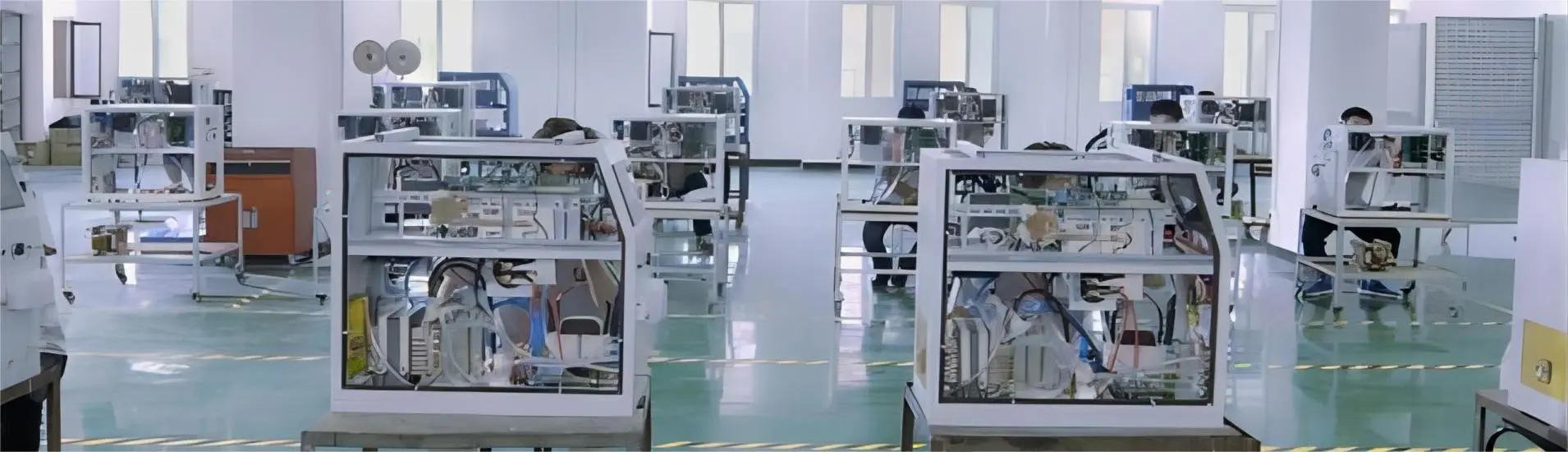
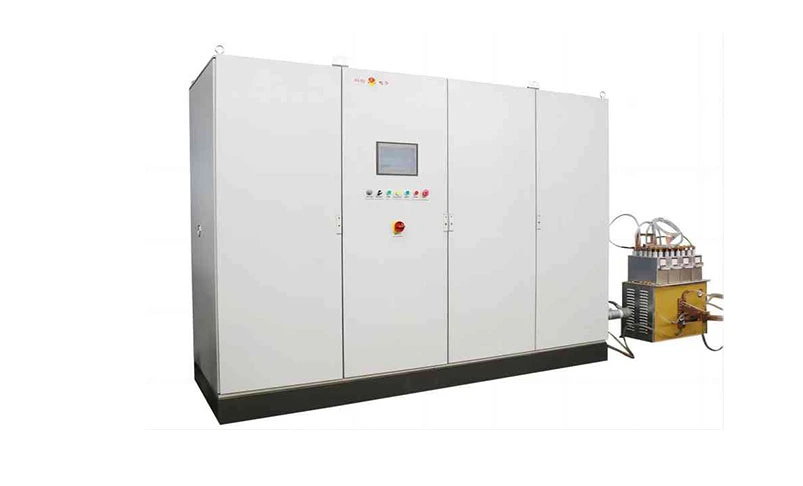
Discover the Induction Heating Machine series from Junko Energy's induction heater factory in China. Our induction heating machine for sale is powerful, precise, and efficient. Engineered for superior heating performance across diverse industries, it's the smart choice for your heating needs.
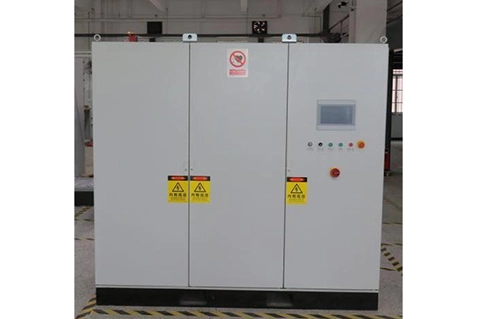 Standard Medium Frequency Induction Heating Machine
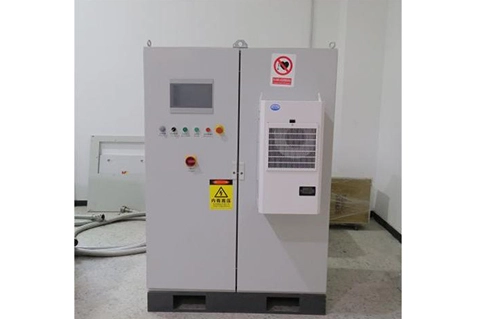 Standard Superaudio Induction Heating Machine
 Enhanced Medium Frequency Induction Heating Machine
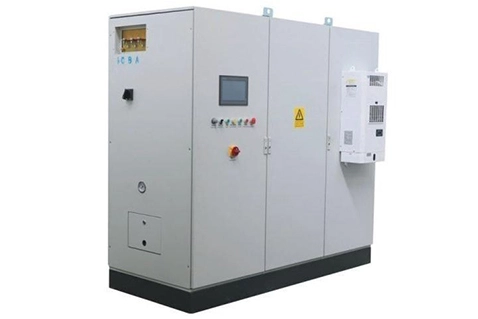 Enhanced Superaudio Induction Heating Machine
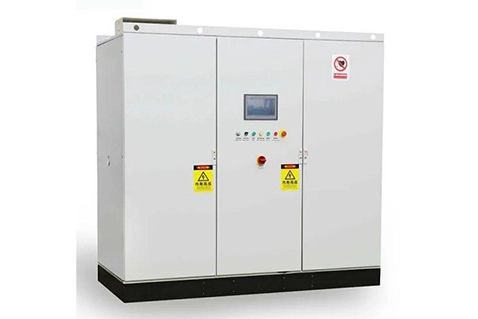 High Frequency Induction Heating Machine
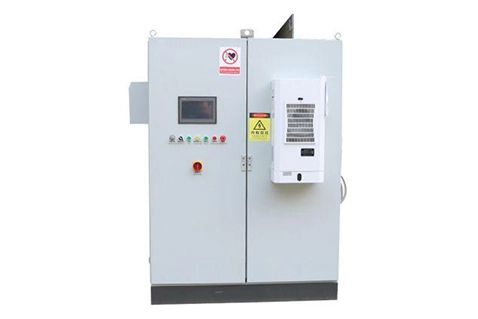 Special Induction Heating Machine
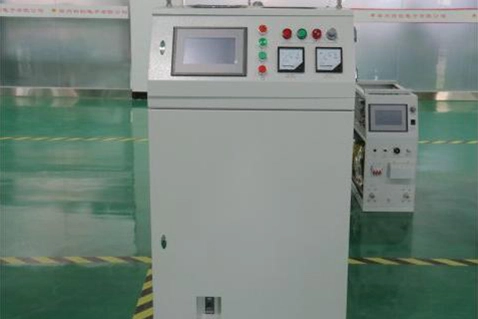 Air-cooled Induction Heating Machine
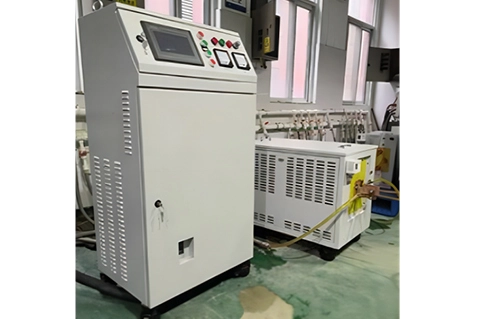 Crystal Growth Induction Heating Machine
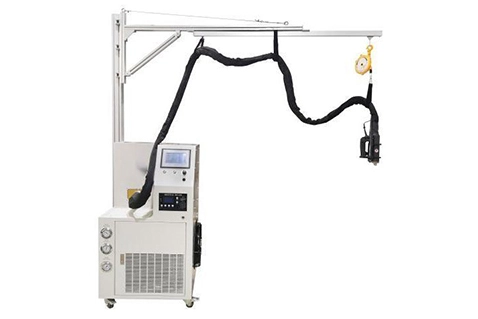 Portable Induction Heating Machine
IGBT (Insulated Gate Bipolar Transistor) induction heating power supplies operate by converting AC power into high-frequency AC power, with IGBTs serving as the core switching devices for precise control. During the inversion process, IGBTs adjust the output frequency and power to meet various heating requirements. The high-frequency AC current in the induction coil generates a varying magnetic field that induces eddy currents in the workpiece placed within or near the coil. These eddy currents convert to thermal energy due to the resistive properties of the material, rapidly heating the workpiece.
The intelligent control system monitors temperatures in real-time, ensuring uniformity and accuracy in the heating process. An induction cooling system maintains stable operation of the IGBTs and power supply, preventing overheating. Additionally, the power supply features automated controls and multiple protective measures such as over-temperature and over-current protection, ensuring reliable equipment operation and heating quality. As one of the leading induction heating equipment manufacturers, Junko Energy is ready to offer more solutions.
| Aspect | Induction Heating Machine | Induction Hardening Machine |
| Primary Purpose | General heating of metals for processes like annealing, forging, melting, brazing, or pre-heating. Does not inherently alter microstructure for hardness. | Surface hardening of metals (primarily steels) to improve wear resistance and mechanical properties via rapid heating followed by quenching. |
| Process Steps | - Generates alternating magnetic field via coil to induce eddy currents and heat the material. - Controlled heating to desired temperature. - No mandatory cooling/quenching; material can be air-cooled or used hot. | - Same heating via induction coil. - Rapid heating to austenitizing temperature (above transformation range, e.g., 800–950°C for steels). - Immediate quenching (e.g., with water, oil, or polymer) to form hard martensite layer (typically 37–58 HRC). - Often includes scanning (moving coil along part) or simultaneous heating modes. Specific types include vertical induction hardening machine and horizontal induction hardening machine. |
| Depth of Effect | Heat penetrates variably based on frequency (higher frequency = shallower penetration); can be full volume or surface-only. Core properties unchanged. | Selective surface hardening (case depth 0.5–6 mm, depending on frequency: medium 3–50 kHz for deeper, radio 100–400 kHz for shallower). Core remains ductile. |
| Materials Used | Ferrous and non-ferrous metals (e.g., steel, aluminum, copper); suitable for conductive materials. | Primarily medium/high-carbon steels (e.g., 1045, 4140) or alloys that respond to quenching; less effective on low-carbon or non-ferrous without modifications. |
| Equipment Components | - Power supply (e.g., 1–500 kW, various frequencies). - Induction coil. - Basic controls for time/power. - Optional cooling for machine internals. | - All of the above, plus: - Quenching system (nozzles, quench tank). - Fixturing/automation (e.g., rotary tables, scanners for vertical/horizontal setups). - HMI for precise control of heat patterns and hardness profiles. - Often modular (e.g., MIND systems) for batch or custom work. |
| Applications | - Metalworking: Forging, bending, shrinking fits. - Manufacturing: Plastic molding barrel heating, solder/desolder. - Other: Wire annealing, pipe heating. | - Automotive/aerospace: Gears, crankshafts, axles, camshafts. - Industrial: Tools, dies, bearings, springs. - Energy: Wind turbine components. |
| Advantages | - Fast, energy-efficient (direct heating, minimal waste). - Clean, no open flame; precise control. - Versatile for non-hardening tasks; lower cost for basic setups. | - Selective/localized treatment (harden only wear-prone areas). - High repeatability, minimal distortion/decarburization. - Faster than furnace methods; improves fatigue life and wear resistance. |
| Limitations | - Limited to conductive materials. - May require additional steps for hardening. - Less precise for metallurgical changes without quenching. | - Requires quenching setup, increasing complexity/cost. - Best for steels; potential cracking if not controlled. - Higher initial investment for integrated systems. |
| Power | 1–100 kW for general use. | 5–500 kW, with higher power for larger parts or faster cycles. |
| Cycle Time/Efficiency | Seconds to minutes; high efficiency (up to 90% energy transfer). | Seconds per zone; even more efficient for targeted hardening, reducing overall energy vs. full-part furnace heating. |
When to Choose One Over the Other
Opt for an Induction Heating Machine if your needs involve straightforward heating without the need for surface property changes, such as in fabrication, assembly, or non-critical annealing. It's more flexible and cost-effective for multi-purpose operations. Portable induction heating machine options are also available for enhanced versatility. Induction heating machine China brands like Junko Energy meet the highest standards of quality and performance.
Opt for an Induction Hardening Machine when durability and wear resistance are critical, especially for high-stress components in automotive or machinery. The integrated quenching ensures consistent hardness, making it ideal for production lines where quality control is paramount. Junko Energy is also one of the professional induction hardening machine manufacturers. Feel free to contact us for further queries.
When selecting an induction heating machine, the choice should be based on the required depth of heating, workpiece size, material properties, and heat treatment process. Here's a summary of the different frequency ranges and their applications:
Low Frequency (Power Frequency): Suitable for deep heating and through-hardening of large and medium-sized workpieces, such as forging and annealing, providing uniform heat penetration.
Medium Frequency: Balances heat penetration and surface heating, ideal for surface hardening and brazing of medium-sized workpieces, offering moderate heating depth.
High Frequency: Used for very shallow surface hardening and tempering, providing rapid and precise heating, suitable for small workpieces or when an extremely thin hardened layer is needed. As a leading high frequency induction heating machine supplier, Junko Energy offers advanced solutions in this range.
Very High Frequency (VHF): Designed for minimal heat-affected zones and high precision heating of very small parts, such as dental and medical instruments.
Ultra-Audio Frequency (UAF): Falls between high frequency and very high frequency, offering fine control over heating and medium depth heating, suitable for precise heating of small to medium-sized workpieces, reducing oxidation and deformation.
Each frequency has its unique applications and advantages. The choice should be based on the specific requirements of the workpiece and the desired heat treatment effects to ensure an efficient and economical production process. Feel free to contact Junko Energy for more induction heating products.